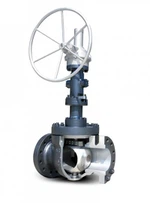
Cryogenic Ball Valve
Why Choose Us
Our Certificate
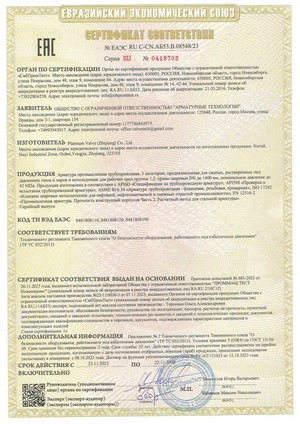
ISO9001,API6D, CE,TR CU 032 and TR CU 01
Our services
Order tracking: We will establish a sound order tracking system, timely update the status of customer orders, to ensure that customers can understand in time Order progress.After-sales protection: Provide perfect after-sales protection.
Solution Customization
According to The Specific Needs of Customers, We Will Provide Personalized Solution Customization Services to Meet The Specific Needs of Customers.
Professional team
We Will Provide a Professional Technical Support Team to Solve Technical Problems Encountered In The Process of Product Selection and Use
What is Cryogenic Ball Valve
Cryogenic valves, as the name implies, are valves that can work in cryogenic and cryogenic conditions. The operating temperature is demarcated. Valves with operating temperatures below -40°C are usually called cryogenic valves, which are mainly used for gas liquefaction, For separation, transportation and storage equipment, the operating temperature can reach below -270℃. Currently, there are gate valves, globe valves, check valves, ball valves, butterfly valves, and throttle valves.In recent years, ultra-low temperature valves have become more and more widely used. They are one of the indispensable important equipment in petrochemical, air separation, natural gas and other industries. The working medium is not only low in temperature, but most of them are toxic, or flammable and explosive. , And strong permeability, so it determines many special requirements for valve materials and design.


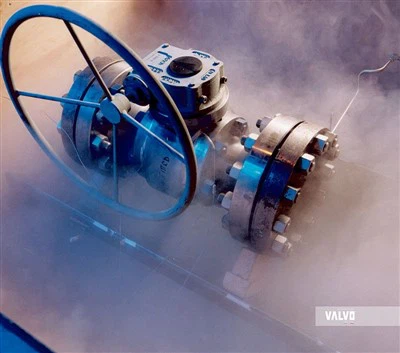


Benefits of Cryogenic Ball Valve
Excellent low temperature performance
Cryogenic ball valves are specifically designed to operate at extremely low temperatures, typically below -150°C. In this case, traditional valves may become brittle and prone to failure, but cryogenic ball valves are made from materials that can withstand the cold without affecting their performance. This makes them ideal for applications involving the handling of liquefied natural gas (LNG), liquid nitrogen and other cryogenic fluids.
Strictly shut down and prevent leakage
One of the main advantages of cryogenic ball valves is their ability to provide a tight shutoff and prevent leakage even in cryogenic environments. The design of the ball valve allows for a tight seal when closed, ensuring that cryogenic fluids are contained without any risk of escaping. This is critical to maintaining the integrity of the system and preventing potential hazards associated with cryogenic leaks.
Minimal maintenance and long service life
Cryogenic ball valves are known for their durability and longevity, requiring minimal maintenance during their service life. The materials used in its construction are carefully selected to withstand extreme temperatures and harsh operating conditions, allowing the valve to operate reliably over the long term without the need for frequent repairs or replacements. This makes them a cost-effective solution for industries that rely on cryogenic processes.
Versatility and adaptability
Cryogenic ball valves are available in a variety of configurations, including full-port, reduced-port and multi-port designs, allowing for versatility in different applications. They can be customized to meet specific requirements, such as high pressure or cryogenic applications, and accommodate a variety of fluid and gas handling needs. This flexibility makes cryogenic ball valves suitable for a variety of industrial processes.
Types of Cryogenic Ball Valve
A sort of safety-related component called a pressure relief valve is utilized in pneumatic pipelines or vessels. Relief valves regulate compressed air pressure levels in systems so that they don’t rise past a defined point and harm people or gear. Therefore, these valves are employed to prevent over-pressurization, which occurs when air pressure is higher than what is permitted for that system.Relief valves release extra pressure, preventing compressed air systems from becoming overpressurized. When pressure is applied to the valve seat, a force opens the valve in opposition to the spring tension. The control knob can change the tension of the spring, which will also change the pressure needed to open the valve.
A cryogenic control valve called a cryogenic gate valve entirely permits or prohibits media flow. Cryogenic gate valves stop the flow between pipe flanges, which employ a flat gate. Due to its complete port design, a gate valve and the installation pipe have the same diameter. Gate valves minimize fluid pressure losses, unlike butterfly valves, when fully open. Furthermore, gate valves enable pigs to move to conduct cleaning and inspection procedures inside the pipe due to the same widths of the pipe and the valve widths.A cryogenic gate valve is used primarily in gas liquefaction systems and functions successfully at temperatures below -40oC under particular service circumstances.
The round disc at the core of the cryogenic butterfly valve gives them a shorter length than the types mentioned above of cryogenic valves. When immediate opening and closing operations are necessary, they have a beneficial function. Additionally, these are simpler to use, lighter, and cheaper. Due to the cryogenic gases’ great sensitivity, an undetected leak might result in significant risks and extensive damage. Standard valves can develop seal cracks due to exposure to extremely hot or cold temperatures since they contract and expand at different rates. Buy from a reputable butterfly valve supplier for the best valves.
Using a disc closure element, linear motion closing-down valves, also known as globe valves, can start, stop, or regulate flow. All businesses have the option of totally removing the globe valve disc or closing the flow stream completely. The seat opening adjusts proportionately to the disc’s movement, making it perfect for flow management tasks. Globe valves are frequently used and are most effective for throttling and controlling fluid flow. They work best with small-size pipework.The majority of tasks required by piping systems for fluid handling processes can be performed by globe valves. Even though its versatility as a block or isolation valve, the globe valve’s main function is to control flow in the partially open position, as opposed to gate valves, which can be utilized in either the wholly opened or fully closed positions.
Application of Cryogenic Ball Valve


Liquefied Natural Gas (LNG) Industry
LNG production plants, storage terminals and LNG ships extensively utilize cryogenic ball valves. They are used to control the flow of LNG at very low temperature through different processes like processing, storage and transport. These valves prevent any leakage thus ensuring tight shut-off as well as operational safety in LNG plants.
Aerospace and Defense
Cryogenic fuelled propulsion systems such as those using liquid hydrogen and liquid oxygen use cryogenic ball valves in their performance. A precise control of rocket engines’ flow of cryogenic propellants ensures their reliable operation during launch and throughout flight into space. Such valves also find application during ground support equipment for fuelling operations with cryogenics.
Medical and Pharmaceutical Industry
Medical facilities for handling frozen gases such as liquid nitrogen, medical imaging application and medical surgeries require cryogenic ball valves which enable them have a better regulation on the flow rate for these substances as they are being used safely with the right quantities needed. In addition, these devices ensure accurately measured quantities when dealing with liquid oxygen/Liquid Nitrogen utilized in various cases involving Cryo-preservation/Cryo-surgery process.
Cryogenic Research and Laboratories
Ball type valve used to regulate cooling systems experimental setups, lab freezers, etc., helps researchers maintain desired conditions for scientific experiments/equipment operation by having a means to regulate flow rates through these pipes along which nitrogen/helium is made to pass before reaching target equipment station; besides sometimes it happens that this done outside (in tanks).
Industrial Gas and Chemical Processing
In various manufacturing processes carried out within chemical process industries producing industrial gases or in an industrial gas plant, cryogenic ball valves are used to direct the flow of low temperature liquefied gases such as oxygen, nitrogen, argon and hydrogen which help catalyzing necessary reactions or performing other ones.
Components of Cryogenic Ball Valve
Bonnet
The extremely low temperature and high pressure may affect the valve. Hence, the manufacturers came up with a bonnet. This bonnet shields the negative effect and prevents further damage so that a cryogenic valve can work long.
Actuator
An actuator in a cryogenic valve is associated with the opening and closing of the valve. An actuator is attached to the disc and stem assembly in a cryogenic valve.
Disc
It is an essential component of a cryogenic valve that controls and regulates fluid flow in the piping system. However, its functions depend on its location in the valve.
Seat
A seat is a specially designed essential component incorporated in a cryogenic valve. A seat influences how fast a cryogenic valve will leak.
Stem
While the seat influences the valve leaks, a stem regulates the rate of leaks. It works so that the valve is not leaking and working efficiently. However, the packing temperature must be above 8 degrees Celcius. This component is responsible for making these valves low emission valves.
Valve Trim
Valve trim is not one component but a collection of detachable and replaceable units in a cryogenic valve. They are placed in a position where they come in direct contact with the flow medium. Hence, each piece of a valve trim is made of different materials to withstand different circumstances.
How to Choose Cryogenic Ball Valve
Temperature Rating
Cryogenic valve temperature ratings must account for full service spans from ambient piping systems to the coldest cryogenic media handling without material embrittlement or seizing up. Common builds utilize stainless steels for moderate cryogen use down to -320°F, while more exotic alloys suit extreme applications nearing absolute zero.
Pressure Management
Pressure ratings must sufficiently exceed maximum pressures within piping networks and storage vessels, incorporating safeguards like integrated relief valves to automatically vent expanding boil-off gasses before reaching dangerous overpressure states.
Cryogenic Media Compatibility
Valve builds need tailored compatibility to handle purity levels and reactive properties of flows ranging from inert gasses like nitrogen to hazardous rocket propellants. High-purity services also mandate precision welds and leak-tight sealing for minimal fluid contamination.
Flow Control Needs
Specify automated cryogenic control valves with electric or pneumatic actuation for precisely metering variable cryogen flows into manufacturing processes or loading operations. Or simplify with open/close manual valves for basic fluid batch transfers.
High Cycle Life
Mission-critical cryogenic valves must withstand millions of lifetime duty cycles in high-use facilities, requiring reinforced stems and streamlined components resistant to friction and wear effects that can lead to premature fatigue failures.
Code Compliance
Adhere to pressure vessel governance, including ASME-B31.3 plus cryogenic standards from EN, API, and CGA 341, covering safety relief protections, materials, testing procedures, and quality controls.

To keep cryogenic gasses or other mediums safe and secure, cryogenic valves are maintained in a naturally closed condition. A cryogenic valve is often made to respond to high pressure by being pushed into the open position, which enables the flow of gas or other media through the valve with little resistance.
Until the pressure rises once again, the flow will remain open. Then, it will swing back and close using a specific metal seat bubble-tight shutdown to stop any leaks.Other media, such as cryogenic gases, are particularly sensitive. Given that it is an expensive attempt to convert normal temperature gasses into cryogen, having it leak in an undesirable location might result in substantial and very pricey damages.
Standard valves are vulnerable to severe temperatures because they expand and contract at different rates in hot and cold environments, breaking the seal and allowing for unintended leakage. These heat gains have long been an issue in the handling of cryogenic gases during research, transportation, and storage.
How to Maintain Cryogenic Ball Valve
Regular inspection and cleaning are pivotal in keeping cryogenic valves in good condition. Thoroughly examine the valves for any indications of damage, wear, or leakage. Use approved cleaning agents to cleanse the valve components, eliminating dirt, debris, or ice buildup. Pay close attention to the sealing surfaces, ensuring they remain free from contaminants that could compromise the valve's performance.
Proper lubrication is vital to facilitate smooth valve operation and prevent excessive wear of moving parts. Utilize lubricants recommended by the valve manufacturer, specifically formulated for cryogenic applications. Give particular attention to the valve stem and other areas prone to friction. Additionally, regularly inspect valve seals and gaskets, replacing them as needed, to maintain effective sealing and prevent leakage.
Cryogenic valves are exposed to extreme temperature differentials, which can lead to thermal shocks. To mitigate the potential damage caused by rapid temperature changes, it is crucial to slowly warm up or cool down valves during transitions between operational and standby modes. Implement the use of thermal insulation materials, such as blankets or wraps, to minimize heat transfer to the valve body. By effectively preventing thermal shocks, the lifespan of the valves can be prolonged while maintaining their integrity.
Valve actuators, including electric, pneumatic, or hydraulic devices, require regular maintenance to ensure their reliable operation. Conduct routine inspections of actuator components to identify signs of wear or malfunction, such as loose connections or damaged wiring. Regularly check the actuator's power source and control systems. Adhere to the manufacturer's recommendations for lubricating moving parts and perform necessary adjustments or calibrations to ensure accurate valve positioning.
Our Factory
Workshop is in Oubei-Zhejiang, our company covers a land area of 6000㎡ and introduces world's advanced valve machining and manufacturing equipment. Our company has a perfect enterprise standardization management system and adopts world's advanced precision casting technology and modern electronic inspection systems. The internationally advanced management mode is applied during the whole production process from material selection till delivery of finished products, so that specialized, automatic, standardized and programmed production is realized. Taking technological innovation as the guide for enterprise development, our company has established the CAD valve design center, three-dimensional analog manufacturing and design system, valve inspection center and testing platform to optimize product structures and ensure the quality and speed of research, development and production of new products.


Certificate