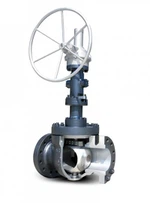
High Pressure Ball Valve
Why Choose Us
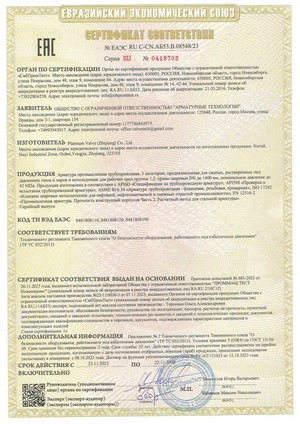
Our Certificate
ISO9001,API6D, CE,TR CU 032 and TR CU 01
Our services
Order tracking: We will establish a sound order tracking system, timely update the status of customer orders, to ensure that customers can understand in time Order progress.After-sales protection: Provide perfect after-sales protection.
Solution Customization
According to The Specific Needs of Customers, We Will Provide Personalized Solution Customization Services to Meet The Specific Needs of Customers.
Professional team
We Will Provide a Professional Technical Support Team to Solve Technical Problems Encountered In The Process of Product Selection and Use
What is High Pressure Ball Valve
High pressure valves are designed to withstand high pressure and temperature. Thus, making them ideal for applications that handle corrosive fluids and gases.They have various components, including the body, stem, disc, seat, and actuator. The body of a high pressure valve is typically made of materials such as stainless steel or titanium. This can withstand high pressure and temperature.The disc is the component that regulates the flow of fluid or gas, while the seat ensures a tight seal when the valve is closed. The stem connects the disc to the actuator, which opens and closes the valve.



Benefits of High Pressure Ball Valve
Enhanced Strength and Durability
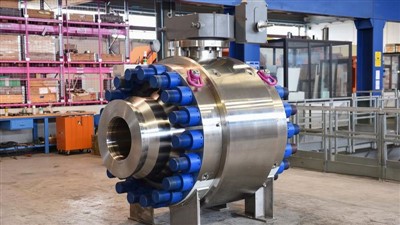
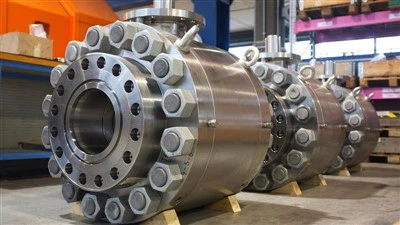
Forged high pressure ball valves are manufactured by applying high levels of pressure and heat to shape and form the material. This forging process results in a component that is stronger and more durable compared to cast or machined valves. The compact grain structure of forged valves provides higher resistance to fatigue, vibration, and pressure fluctuations, making them ideal for high-pressure applications where reliability is paramount.
Excellent Performance at High Pressures
One of the key advantages of forged high pressure ball valves is their ability to withstand extreme pressure conditions. These valves are designed to handle high-pressure fluids without compromising on performance or safety. The robust construction of forged valves, combined with tight sealing capabilities, ensures leak-free operation even at elevated pressures, providing a secure and efficient flow control solution in critical industrial processes.
Superior Corrosion Resistance
Forged high pressure ball valves are typically made from high-quality materials such as stainless steel, alloy steel, or carbon steel, which offer superior resistance to corrosion and erosion. These materials are carefully selected to withstand the harsh conditions prevalent in industries where corrosive fluids are being handled. The corrosion-resistant properties of forged valves contribute to their long service life and minimal maintenance requirements, reducing downtime and operational costs for industrial facilities.
Versatile Design Options
Forged high pressure ball valves are available in a wide range of configurations, sizes, and pressure classes to suit various applications and requirements. Whether it's a floating ball design for lower pressure applications or a trunnion-mounted ball design for high-pressure services, forged valves offer versatility in design that can be tailored to specific operational needs. Additionally, these valves can be customized with various seat and seal materials to ensure compatibility with different fluids and operating conditions.
Types of High Pressure Ball Valve
This is a high-pressure ball valve in which the ball is assembled from the top side. This type of high-pressure ball valve design makes it possible to do maintenance on the ball and seats without disconnecting the valve from the pipeline. The high-pressure top-entry ball valve can be cleaned while it is still connected to the main pipeline. In most cases, top-entry high-pressure ball valves are made using the casting method which necessitates a non-destructive test to check defects from the casting process. Top entry high-pressure ball valves have minimal connections which reduces the possibilities of leakage.
The side-entry high-pressure ball valve is a ball valve in which the ball is assembled from its side part. In most cases, the valve body of the side entry high-pressure ball valve is in two or three parts. The parts of this side entry ball valve are connected using bolts and nuts. A strong material like steel is used to make the valve body of a side-entry high-pressure ball valve. Side-entry high-pressure ball valves are easy to assemble. The trim components of this high-pressure ball are properly aligned.
This is a high-pressure ball valve that has two ports one for the inlet and the other one for the outlet. This type of high-pressure ball valve allows fluid to flow straight from the inlet port to the outlet port through the ball. This helps to reduce pressure drop as there is no change in direction of flow. A two-way high-pressure ball valve is suitable for on/off applications working on fluids and slurries.
A Three-way high-pressure ball valve is a valve with three ports. This high-pressure ball valve design uses a T or L formation. With this design, a high-pressure 3 way ball valve is capable of different fluid flow manipulations like mixing or diverting fluid flow. When the actuator or handle of this high-pressure ball valve is turned on, it turns the ball to align the bore on the ball with the inlet and outlet valve ports.
Application of High Pressure Ball Valve

Oil and gas industry
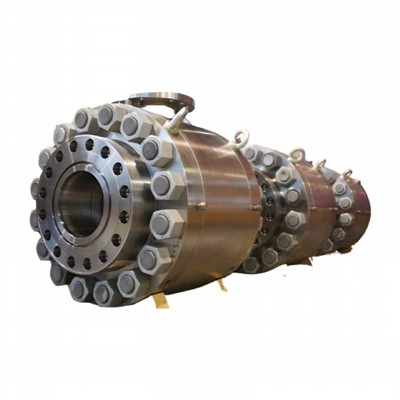
One of the key applications for high pressure ball valves is in the oil and gas industry. These valves are used to control the flow of oil and gas at various stages of the production process, from extraction to transportation. In the production phase, high pressure ball valves are utilized to regulate the flow of oil and gas from the wellhead to the processing facilities. They are also used in pipelines and storage tanks to control the movement of these valuable resources. The robust construction and high pressure capabilities of tianfei high-tech ball valves make them well-suited for the rigorous demands of the oil and gas industry.
Chemical and petrochemical industries
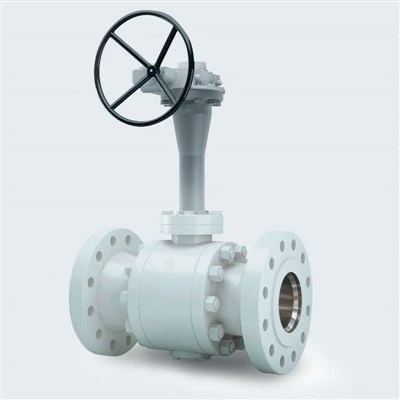
Another important application for high pressure ball valves is in the chemical and petrochemical industries. These valves are used to control the flow of corrosive and toxic fluids, making them an essential part of the safety and regulatory systems in chemical plants and refineries. Tianfei high-tech ball valves are designed to withstand the harsh chemical environments found in these industries, providing reliable performance and long-term durability.
Water and wastewater treatment
In addition to the oil and gas, chemical, and petrochemical industries, high pressure ball valves are also used in power generation, water and wastewater treatment, and manufacturing processes. In power generation, these valves are used to regulate the flow of steam and other high pressure fluids in turbines and boilers. In water and wastewater treatment facilities, high pressure ball valves are employed to control the movement of water and chemicals in filtration and purification systems. In manufacturing processes, these valves are used to manage the flow of high pressure fluids in various production lines.
Difference Between High-pressure Ball Valves and Ordinary Ball Valves
Structure
The internal structure of high-pressure ball valves is different from that of ordinary ball valves. The internal structure of the high-pressure ball valve is more complex. The machining accuracy requirements of components such as balls and valve seats are higher to meet the requirements of harsh working conditions, such as high pressure and high temperature.
Material
The material selection for high-pressure ball valves and ordinary ball valves is also different. High pressure ball valves generally use high-strength alloy steel, stainless steel and other materials, while ordinary ball valves use some conventional materials, such as carbon steel, cast iron, etc.
Sealing performance
There is also a significant difference in sealing performance between high-pressure ball valves and ordinary ball valves. The sealing components used in high-pressure ball valves generally adopt reliable metal sealing structures or new packing sealing structures to ensure sealing performance. However, ordinary ball valves generally use rubber sealing structures or lip shaped sealing structures, which are less reliable than high-pressure ball valves with metal sealing structures.
Application scope
Due to the complex structure, high material and sealing performance requirements of high-pressure ball valves, they are more suitable for high pressure, high temperature, high viscosity, and granular media. Ordinary ball valves are more suitable for use in general media, at room temperature, and under normal pressure.
Components of High Pressure Ball Valve
Ball
The ball in a high-pressure valve is made of carbon steel or stainless steel depending upon the type of medium and application. The surface of the ball is perforated to help distribute the pressure evenly. High-pressure ball valves may have full-bore or reduced-bore balls. Full bore balls are used in operations where the unrestricted flow of medium is required. Reduced bore balls are more suited for operations where the pressure of the medium needs to be minimized by restricting its flow.
Actuator
High-pressure ball valves can be turned on and off using both manual and electric actuators. Hand levers, pneumatic actuators, and motor-operated actuators are more commonly used to operate the valve. Manual actuators are preferred in high-pressure applications or where trunnion mounted ball valves are being used. Electric actuators are more suited to extreme high-pressure applications or with floating ball valves.
Body
The body of high-pressure ball valves is made of materials like carbon steel, stainless steel, low-temperature carbon steel, duplex, super duplex, Inconel, and more depending on the application. Anti-static materials are used to make the body of the valve ensuring proper function and durability.
Stem
The stem of high-pressure ball valves is extended and can handle cryogenic and high-temperature applications. The stem connects the actuator to the ball so it has to handle most of the pressure from the onstream. High-pressure ball valves usually feature anti-blow out stems so they can easily handle all the added pressure.
Seats
The seats in a high-pressure ball valve are reinforced with special seat rings that can handle the high pressure from the onstream. In high-pressure floating ball valves, the elastomeric seat rings have O-ring seals so they are not damaged by the constant pressure on the valve.
How to Choose High Pressure Ball Valve
Maximum Valve Operating Pressure
The maximum operating pressure is a defining parameter. It indicates the limit beyond which the manufacturer does not guarantee safe valve operation. It's crucial to consider not only the pressure of the media but also additional forces that come into play when the process is at its peak operation.
01
Maximum Operating Temperature
Along with maximum valve pressure, it's essential to consider the maximum operating temperature. Ensure that your process's operating temperature falls within the specified limits. If this information is not provided, request it from the manufacturer.
02
Compatibility with Valve Material
The resistance of the valve material to pressure, temperature, wear, and corrosion is critical. Ensure that the media being handled does not compromise the valve's capability and safe performance in a high-pressure environment. Consider fluid compatibility charts provided by the manufacturer.
03
Zero Leakages
In high-pressure environments, the type of end connections is critical. Welded connections are recommended for zero leakages, especially when dealing with hazardous media. Leak tolerance is essential for safety and reliability.
04
Matching Dimensions
Ensure that the dimensions of the valve, including accessories and piping, match the requirements of your specific application. This ensures reliable operations.
05
How to Maintain High Pressure Ball Valve
Proper installation
Correctly installed High Pressure Ball Valve have a much lower chance of needing repairs or replacement. Make sure the engineer installing the High Pressure Ball Valve has relevant experience and knowledge.
Regular cleanings
Clean valves last longer, since there's little chance for debris to build up and negatively impact the performance of the piping system. Be sure to use cleaning agents that don't react negatively with the valve materials: Gas-based or compressed air cleaners work well for metal components, and alcohol- or water-based cleaners are ideal for non-metal parts. Clean High Pressure Ball Valve at least once a year, and more frequently if the plant environment contains dirt or dust.


Valve lubrication
Lubrication keeps High Pressure Ball Valve operating smoothly, prevents abrasion and helps increase the effectiveness of the valve seals. Stick to synthetic, water-insoluble, oil-based lubricants; avoid clay- or solid-based lubricants that may build up inside the valve cavity. Be sure to choose a lubricant compatible with the valve materials and system media.
Routine inspections
Have valves checked by a skilled inspector on a routine basis. Once a year is ideal, but High Pressure Ball Valve in high-pressure and high-cycle applications should receive more frequent inspections. Inspections should include:Tightness of nuts, bolts and other hardware.
Care must be taken to prevent damage to the sealing surface of the parts, especially non-metallic parts, when disassembling and reassembling. Special tools should be used when taking out the O-ring.
The bolts on the flange must be tightened symmetrically, gradually and evenly during assembly
The cleaning agent should be compatible with the rubber parts, plastic parts, metal parts and working medium (such as gas) in the ball valve. When the working medium is gas, gasoline (GB484-89) can be used to clean metal parts. Clean non-metallic parts with pure water or alcohol
The disassembled individual parts can be cleaned by dipping. The metal parts with the non-metal parts remaining undecomposed can be scrubbed with a clean and fine silk cloth impregnated with cleaning agent (to prevent the fibers from falling off and adhering to the parts). When cleaning, all grease, dirt, glue, dust, etc. adhering to the wall must be removed.
Our Factory
Workshop is in Oubei-Zhejiang, our company covers a land area of 6000㎡ and introduces world's advanced valve machining and manufacturing equipment. Our company has a perfect enterprise standardization management system and adopts world's advanced precision casting technology and modern electronic inspection systems. The internationally advanced management mode is applied during the whole production process from material selection till delivery of finished products, so that specialized, automatic, standardized and programmed production is realized. Taking technological innovation as the guide for enterprise development, our company has established the CAD valve design center, three-dimensional analog manufacturing and design system, valve inspection center and testing platform to optimize product structures and ensure the quality and speed of research, development and production of new products.


Certificate