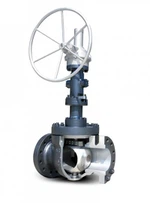
Double Block&Bleed Ball Valve
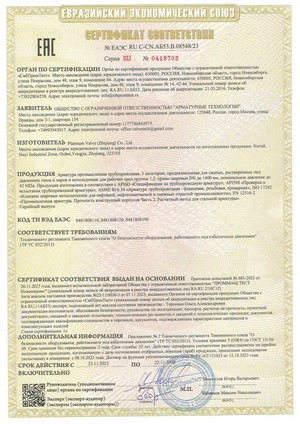
Our Certificate
ISO9001,API6D, CE,TR CU 032 and TR CU 01.
Our services
Order tracking: We will establish a sound order tracking system, timely update the status of customer orders, to ensure that customers can understand in time Order progress.After-sales protection: Provide perfect after-sales protection.
Solution Customization
According to The Specific Needs of Customers, We Will Provide Personalized Solution Customization Services to Meet The Specific Needs of Customers.
Professional team
We Will Provide a Professional Technical Support Team to Solve Technical Problems Encountered In The Process of Product Selection and Use
What is Double Block&Bleed Ball Valve
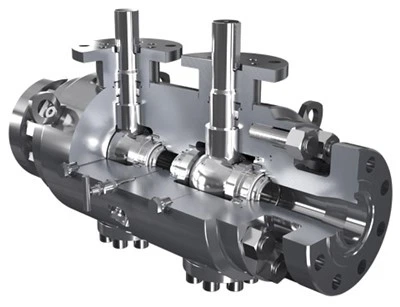
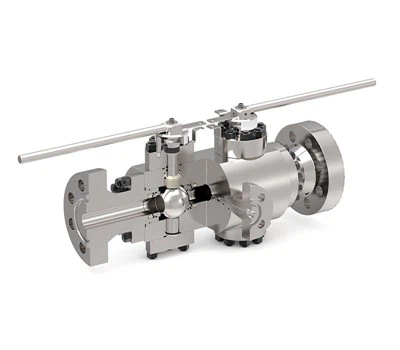
Double Block&Bleed Ball Valve (DBB valve) refer to two individual block valves linked together with a bleed valve in between, used to check for leakage. While this remains their most frequent use case, DBBs can also be utilized for other sealing requirements and quickly adapt to changes in fluid system pressure or flow needs.A double block and bleed valve combines two inline-block valves with one bleed valve to perform the functions of three individual valves while saving space, installation time, maintenance cost, weight, and cost compared to using separate ones individually. They are often utilized in industrial settings that use liquid pipelines, such as oil and gas industries, petrochemical manufacturing facilities, water networks, or transmission lines carrying refined materials.





Benefits of Double Block&Bleed Ball Valve
Space Saving
Double block and bleed valves (DBB valves) are space-saving devices that combine all necessary block and bleed components into one convenient package, helping ensure safer operations while saving space. By eliminating leak points into the atmosphere, DBB valves significantly decrease potential points of failure during operations and increase safety measures in operation.Double block and bleed valves also offer another distinct advantage: explosive decompression resistance. This feature means they can tolerate extreme changes in pressure and temperature fluctuations without experiencing rupture, an especially useful property in applications where flow contamination may be an issue.
Fewer Leak Paths
When performing maintenance on equipment, using double block and bleed valves is the simplest and fastest way to stop fluid flow. This system combines two isolation valves into a single unit and incorporates a bleed valve for draining or venting purposes between them.The DBB valve design is firesafe certified, making it suitable for use across industries including oil & gas, chemical processing, petrochemical production, and LNG storage vessels. It can often be found installed on floating platforms where space constraints are an issue.
Less Pressure Drop
Double block and bleed valves are designed to reduce pressure drops compared to traditional isolation valves due to being a full bore with an uninterrupted flow orifice that provides minimal pressure decline across the entire body.They also feature a bleed valve that drains any remaining space between block valves once closed, creating a safe working environment and avoiding product contamination or damage due to maintenance and repairs on equipment that has been taken out of service.
Less Maintenance
One of the hallmarks of double block and bleed valves is their ease of maintenance, as they're designed to isolate essential areas without disrupting fluid flows – so repairs or replacement can take place without disrupting fluid flows.These valves are constructed to withstand both high-pressure and temperature environments, making them suitable for use across numerous industries such as oil & gas, water treatment, and petrochemical production.
Types of Double Block&Bleed Ball Valve
Single Unit DBB Valve
Single-unit DBB valves are widely utilized across numerous industrial settings, from water regulation and regulation oil refineries to natural gas production facilities and chemical processing plants, to prevent leakages and maintain system integrity.These valves come in various sizes and configurations depending on their intended use and media. Customizability also makes this valve ideal for meeting individual requirements.
Cartridge Type Standard Length DBB Valve
Cartridge Type Standard Length DBB Valves utilize a single cartridge design that can save up to 60% in weight, space, and installation time while simultaneously decreasing leak paths to the atmosphere-making them the ideal solution for isolation applications in Oil & Gas, Chemical, Petrochemical, and Transmission and Storage industries.This anti-static and fireproof valve features a stem with an integrated static-conduction spring to prevent static electricity from sparking fluid explosions, as well as an integral T-Type shoulder for enhanced blowout resistance and sealing capabilities.
Three Piece Non-Standard Length DBB Valve
Three Piece Non-Standard Length DBB Valves feature a modular design comprising two block valves and one bleed valve within a compact body. They are often utilized for toxic fluid operations in high-pressure systems.Comparable to other isolation valves, DBB valves are easy to install and lightweight for more space savings. Plus, they're easier to operate and maintain.
Application of Double Block&Bleed Ball Valve

Liquefied Natural Gas (LNG) Industry
Double block and bleed (DBB) ball valves are extensively used in the liquefied natural gas (LNG) industry to provide a high level of safety and reliability. DBB ball valves are used in various stages of the LNG processing, including storage tanks, transfer lines, processing plants, and vaporizers, to provide shutoff and isolation during maintenance or emergencies. They help prevent the release of LNG and ensure the safety of personnel working on the equipment. The use of DBB ball valves in LNG applications is crucial for maintaining safe and efficient operations in an industry where safety is paramount.
Pipeline Industry
Double ball valves are widely used in the pipeline industry to provide a high level of isolation and shut off in various applications. DBB ball valves are used to isolate sections of the pipeline for maintenance purposes, as well as provide a reliable shutoff in the event of an emergency. They are used in both onshore and offshore pipelines, including oil and gas pipelines, water pipelines, and chemical pipelines. DBB ball valves are also used in pigging applications, where they are used to isolate sections of the pipeline during pigging operations.


Refinery and Petrochemical Industry
DBB ball valves are widely used in the refinery and petrochemical industry to provide a high level of safety and reliability. DBB ball valves are used in various applications such as steam, gas, and fluid services. They are used to isolate sections of the process equipment for maintenance purposes and provide a reliable shutoff in the event of an emergency. The valves are also used in critical process applications where tight shutoff is required, such as controlling the flow of hazardous and corrosive fluids.
Wastewater Treatment Industry
These are widely used in the wastewater treatment industry to provide a high level of shutoff and isolation in various applications. DBB ball valves are used to isolate sections of the wastewater treatment system for maintenance purposes, as well as provide a reliable shutoff in the event of an emergency. They are also used in sludge handling applications, such as isolating sludge pumps and tanks during maintenance. Additionally, Double ball valves are used in chemical dosing applications, where they provide tight shutoff and help prevent the leakage of hazardous chemicals into the environment.

Components of Double Block&Bleed Ball Valve
Valve Body
The valve body is an important component of a Double Block&Bleed Ball Valve. It is the part that houses all the other parts. A valve body has a vital role in the function of the valve. It is used to control the movement of moving components in a pipeline system. The valve body is the primary part of a valve, and it can be made of different materials. Cast valve bodies are common, while forged bodies are used for high-pressure valves.
Rotary Ball
The basic components of a Double Block&Bleed Ball Valve include a rotary ball, a stem, a seat, and a control mechanism. The ball is connected to the control mechanism via a shaft. This ball is hollow and rotates in order to control the flow in the valve. It is the main part of the Double Block&Bleed Ball Valve.
Stem
A Double Block&Bleed Ball Valve is a type of mechanical valve. Its stem is connected to a first shaft. This shaft rotates in response to an actuating force. A ball valve has a stem that connects the ball to an external control mechanism. A manual ball valve uses a handle or lever to turn the stem. The stem is connected to the handle, which helps the ball to rotate.
Seats
Valve seats may be made of a variety of materials, including ceramic, metal, or a combination of both. Ball valve seats have different characteristics. The internal seat of a Double Block&Bleed Ball Valve is made of a range of materials. The seats of a Double Block&Bleed Ball Valve are generally made of a novel material. For example, a synthetic resin may be used for the seats. This material has comparable friction, creep, and monomer permeation resistance to PTFE.
Power Source
There are two basic types of Double Block&Bleed Ball Valve: pneumatic and electric. Pneumatic ball valves use compressed air as their power source. They are best for applications that require high durability and fast cycling times. Electric actuators, also known as motorized ball valves, use electricity. Hydraulic ball valves use pressurized fluid as their power source. These valves offer higher torque and cycle rates, but they are not as durable as pneumatic valves.
Packing
A Double Block&Bleed Ball Valve has three main components: the valve body, the stem, and the packing. The packing is placed around the stem in the valve to prevent the medium from leaking. It is the seal that prevents leakage in the valve.
Standards for Double Block&Bleed Ball Valve
API 6D
This standard, developed by the American Petroleum Institute (API), provides specifications for pipeline valves, including double block and bleed valves, intended for use in the oil and gas industry.
01
ANSI/ASME B16.34
This standard, developed by the ASME, provides specifications for valves, including double block and bleed valves, intended for use in various industries.
02
ISO 10497
This standard, developed by the International Organization for Standardization (ISO), provides testing requirements for fire-safe valves, including double block and bleed valves.
03
MSS SP-61
This standard, developed by the Manufacturers Standardization Society (MSS), provides specifications for pressure testing of steel valves, including double block and bleed valves.
04
NACE MR0175/ISO 15156
This standard, developed by the National Association of Corrosion Engineers or NACE, and ISO, provides requirements for materials and equipment used in sour gas environments, including double block and bleed valves.
05
Nature of Application
The nature of your application will define the kind of DBB valve you need. For example, if you need to maintain system integrity while you repair a certain part of the pipeline, you can use a DBB valve to get the job done. Two gate valves can block the onstream. A ball valve can bleed any fluid from the isolated area of the pipeline before it is repaired.
Type of Media
The type of DBB valve you choose depends on the kind of media you are trying to regulate. Viscous liquids and thick gasses will require full bore ball, globe, or gate valves as block valves. While a needle valve can be used as a bleed valve. Corrosive media may require stainless steel DBB valves or carbon steel ball valves that have been fortified to block the media without sustaining any damage.
Pressure and Temperature
The pressure and temperature requirements of your operation will determine the kind of DBB valve you need. High-pressure, high-temperature operations will require anti-static ball valves as block valves. These metal seat ball valve are not affected by pressure changes or vibrations so they are safe to use in critical operations. In low-pressure operations, you can use a single DBB gate valve with flexible wedges and a body bleed valve.

The basic design of a Double Block&Bleed Ball Valve consists of two tightly sealed blocking systems that are separated by a third “bleed” port. The first two ports are referred to as block valves, which halt the flow of liquid or gas through the valve.
The bleed port is then used to release any remaining pressure or air from the system before its final closure. The primary benefit of this setup is the ability to hold back pressure while still allowing for partial or complete shut-off of the system.
In operation, a DBB works by turning the handle on top of the valve to its open position. This opens both block valves, allowing fluid or gas to pass through the valve. When it's time to shut off the flow, you turn the handle again to close both block valves and open the bleed port. This releases any leftover pressure inside the valve, enabling it to completely shut off the flow of fluids or gasses.
How to Maintain Double Block&Bleed Ball Valve
Double block&bleed ball valve that are installed correctly have a much lower chance of needing repairs or replacement. Make sure the engineer installing your valves is experienced and knowledgeable in double block&bleed ball valve installation and maintenance.
Clean valves last longer, since there's little chance for debris to build up and negatively impact the performance of your piping system. Use a towel to wipe dirt, oil or dust from the valve casing and a wire brush to clear any build-up from the valve stem or other moving parts. Be sure you use cleaning agents that won't react negatively with the valve materials: Gas-based or compressed air cleaners work well for metal components, and alcohol- or water-based cleaners are ideal for non-metal parts. Clean your double block&bleed ball valve at least once a year, and more frequently if the plant environment contains lots of dirt or dust.
Lubrication keeps your double block&bleed ball valve operating smoothly and prevents abrasion. Lubrication also helps increase the effectiveness of the valve seals, provided it's applied properly. Stick to synthetic, water-insoluble, oil-based lubricants; avoid any clay- or solid-based lubricants that may build up inside the valve cavity. Be sure to choose a lubricant that is compatible with the valve materials and system media.
Have your valves checked by a skilled inspector on a routine basis. For most applications, once a year is ideal, but double block&bleed ball valve in high-pressure and high-cycle applications should receive more frequent inspections.
Our Factory
Workshop is in Oubei-Zhejiang, our company covers a land area of 6000㎡ and introduces world's advanced valve machining and manufacturing equipment. Our company has a perfect enterprise standardization management system and adopts world's advanced precision casting technology and modern electronic inspection systems. The internationally advanced management mode is applied during the whole production process from material selection till delivery of finished products, so that specialized, automatic, standardized and programmed production is realized. Taking technological innovation as the guide for enterprise development, our company has established the CAD valve design center, three-dimensional analog manufacturing and design system, valve inspection center and testing platform to optimize product structures and ensure the quality and speed of research, development and production of new products.


Certificate