Orbit Ball Valve
Why Choose Us
Our Certificate
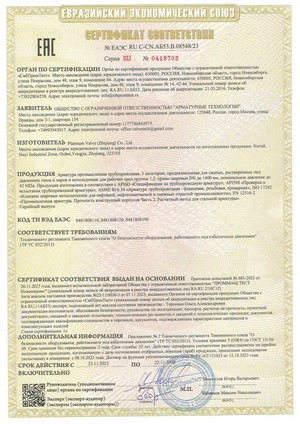
ISO9001,API6D, CE,TR CU 032 and TR CU 01
Our services
Order tracking: We will establish a sound order tracking system, timely update the status of customer orders, to ensure that customers can understand in time Order progress.After-sales protection: Provide perfect after-sales protection.
Solution Customization
According to The Specific Needs of Customers, We Will Provide Personalized Solution Customization Services to Meet The Specific Needs of Customers.
Professional team
We Will Provide a Professional Technical Support Team to Solve Technical Problems Encountered In The Process of Product Selection and Use
What is Orbit Ball Valve
Orbit valve is one common type of ball valve. Seal rubbing is prevented by the tilt and turn mechanism used by orbit valves. In ball valves, gate valves, and plug valves, seal rubbing is the primary reason for failure. These valves have sturdy seals that are primarily built of metal to improve their capacity to function in demanding and hostile environments.Flow lines, dryer switching, emergency shutdown, bypass and block, product segregation, suction isolation, and discharge are just a few applications where orbit valves are appropriate. Orbit valves are employed by a number of industries, including the petrochemical, gas, and oil sectors.
Benefits of Orbit Ball Valve
Excellent Shut-off Capability
Orbit Ball Valve provide a tight seal, ensuring complete shut-off and preventing leakage. The spherical closure design of ball valves allows for a reliable and secure shut-off, even in high-pressure systems.
01
Quick and Easy Operation
They have a simple design and are easy to open and close, requiring a quarter turn of the handle or lever. This quick operation saves time and allows for efficient control of fluid flow.
02
Minimal Pressure Drop
Orbit Ball Valve have low friction loss, resulting in minimal pressure drop across the valve. This characteristic is essential in applications where maintaining system pressure is crucial, as it helps minimize energy consumption and ensures efficient flow control.
03
Wide Range of Applications
Orbit Ball Valve are suitable for various industries, including oil and gas, chemical, water treatment, and HVAC systems. Their versatility stems from their ability to handle a wide range of temperatures, pressures, and fluid types.
04
Good Flow Control
Orbit Ball Valve offer precise control over the flow rate, allowing for smooth operation and modulation. The quarter-turn operation and the ability to achieve full or partial flow make them effective in controlling the flow of fluids in both simple and complex systems.
05
Types of Orbit Ball Valve
Manual orbit ball valves
A manual actuator is used to regulate fluid flow in manual orbit valve models. These valves utilize a handwheel mechanism to improve flow control instead of requiring external power. A number of gears in the valve’s mechanism increase production torque in relation to the input torque that the valve operator applies.The advantage of manual orbit valves is that they are affordable, dependable, and independent of outer power sources such as pneumatics and electricity. Since these valves are self-contained and utilize the exact handwheel to unlock and shut down, it is simple for the operator to identify the root of any technical issues or mistakes.
Hydraulic orbit ball valves
Fluid under pressure is utilized by hydraulic orbit valves to regulate the flow of the liquid. These valves employ oil or water as the hydraulic liquid. The piston rolls as a result of the fluid’s pressure, regulating the fluid flow. Hydraulic orbit valves come in semi-automatic and automated varieties.In comparison to pneumatic orbit valves of the exact size, the hydraulic orbit valves tend to be more robust. Due to the incompressibility of the liquid, these valves can accomplish fine fluid control with low energy loss. However, to improve liquid flow, hydraulic orbit valves require an extra hydraulic pipe. Additionally, these valves might leak hydraulic liquid, which increases the chance of a high fire risk.
Pneumatic orbit ball valves
Pneumatic orbit valves are those that are operated by compressed air. These valves operate by applying air pressure to the piston or diaphragm that is fastened to the valve stem. Pneumatic orbit valves, in contrast to manual orbit valves, can be fully or partially automated.Because of the subtle design and dependability, the pneumatic orbit valves are the most popular form of orbit valve. The benefits of pneumatic orbit valves are little to no fire hazards, simple and dependable design, manageable operation, and inexpensive prices. But, these valves might not work well at slow speeds.
Electric orbit ball valves
Valves that rely on electricity to function are known as electric orbit valves. Electric motors are utilized in these valves to transform electrical energy into mechanical energy sufficient for unlocking and shutting down the valve. As they can be opened and closed manually, automatically, or semi-automatically, the electric orbit valves are highly flexible.The motor in electric orbit valves can move both ways, and it aids in gearing up the valve stem. Electric orbit valves have the benefit of not requiring liquid or pressurized air and being able to provide extremely high torque for heavy-duty uses. However, in comparison to manual and pneumatic orbit valves, these valves are highly costly. In addition to that, the electric orbit valves are also prone to power outages and fire hazards.
Application of Orbit Ball Valve
Oil and gas production
Orbit valves are commonly used in oil and gas production facilities, particularly in upstream applications such as wellhead control, manifold systems, and pipeline pigging operations. The valves are well-suited to these applications because they can withstand high pressures and temperatures, and provide reliable shut-off and control of fluid flow.
Refining and petrochemical processing
Orbit valves are also commonly used in refineries and petrochemical processing plants, where they are used for various processes such as distillation, cracking, and fractionation. The valves are often used in high-temperature and high-pressure applications and are capable of handling a range of corrosive and erosive fluids.
Power generation
Orbit valves are used in power generation plants, where they are used to control the flow of steam and other fluids in boilers and other equipment. The valves are well-suited to these applications because they can handle high temperatures and pressures, and provide reliable control over the fluid flow.
Water treatment
Orbit valves are also used in water treatment facilities, where they are used to control the flow of water and other fluids in various stages of the treatment process. The valves are often used in high-pressure applications and can handle a range of corrosive and abrasive fluids.
The Material Behind The Orbit Ball Valve
Stainless Steel
Known for its corrosion resistance, stainless steel is often used in valves for applications where the fluid being handled is corrosive. Different grades of stainless-steel offer varying levels of corrosion resistance.
Carbon Steel
Carbon steel is a robust material commonly used in valves for industrial applications. It is strong and durable, but it may be susceptible to corrosion, so protective coatings or treatments may be applied.
Alloy Steel
Alloy steel is a combination of various elements, including chromium, nickel, and molybdenum. This alloying enhances properties such as strength and corrosion resistance, making it suitable for demanding applications.
Brass
Brass valves are known for their excellent conductivity and corrosion resistance. They are commonly used in applications where the fluid being handled is non-corrosive.
Nickel-Alloy
Certain valves designed for extreme conditions, such as high temperatures or corrosive environments, may be constructed from nickel alloys. These alloys offer excellent resistance to corrosion and oxidation.
Components of Orbit Ball Valve
Valve body
The body of the Orbit Ball Valve is typically made of forged or cast steel, offering high strength and corrosion resistance, and is capable of withstanding high-pressure and high-temperature environments.
Ball
The ball moves within the valve body through a specially designed track and is usually made of stainless steel or nickel-based alloys, providing excellent wear and corrosion resistance.
Seat
The seat is the part that comes into contact with the ball, typically made of metal to ensure sealing performance under high pressure and high temperature conditions.
Stem
The stem connects the ball to the actuator, responsible for transmitting operational torque to move the ball within the valve body.
Sealing System
This includes the seat seal and stem seal, ensuring no leakage of the medium. Seals are typically made of metal or high-performance polymer materials.
Actuator
This includes manual operation mechanisms or automated actuators used to control the opening and closing of the valve.
Features Of Orbit Ball Valve
No scraping Between sealing surfaces
In conventional ball valves, gate valves, and plug valves, seat wear is mostly brought on by seal abrasion, which is eradicated by the tilt-and-turn movement.
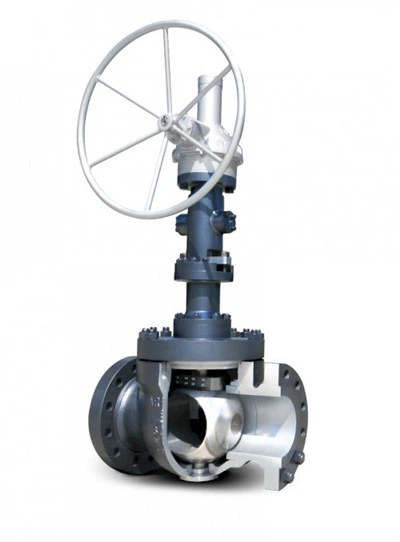
Individual Seat Design
The orbit valve eliminates the issues associated with trapped pressure between labels by using an individual, fixed seat that seals in double directions.
Maximal Flow
High CV numbers are produced by full port or reduced port apertures. Both erosion issues and system pumping efficiency are improved.

Top-entry Structure
The top-entry structure facilitates maintenance by allowing in-line examination and repair after system depressurization.
Extended Lifespan
The long-lasting orbit valves can replace other problematic gate valves, plug valves, and globe valves. The orbit valve architecture delivers performance benefits that lower maintenance costs and plant outages.
Injectable Packing
In order to completely regulate fugitive emissions during in-service care and maintenance, stem stuffing substance is pumped through the packing fitting.
How to Choose Orbit Ball Valve
Temperature Range
Orbital valves can function in a variety of pressure ranges. However, the producers of orbit valves provide the valves with a particular operational temperature range. Knowing the media’s lowest and maximum temperatures is crucial before buying the orbit valves. The valve could get harmed by elevated temperatures. On the other hand, it is possible for the valve to freeze at extremely low temperatures.
Pressure Rating
Manufacturers of orbit valves design their valves with varying strengths to accommodate various pressure levels. As a result, before choosing an orbit valve, consider how much pressure it will be subjected to. Depending on the amount of pressure the media will exert, this can be specified. The orbit valve will be harmed or the valve operator will be hurt if the fluid pressure strength is greater than the strength of the valve.
Power source for the orbit valve
An orbit valve’s opening and shutting require some power in order to provide a turning effect for shutting down or opening the valve. The actuator to be utilized is determined by the power source. As a result, choose the orbit valve depending on the actuator type that is available: manual (hand-operated), pneumatic, hydraulic, or electrical.
Size of the valve
It is crucial to know the size of the valve so you can get an orbit valve that will match the other plumping components without difficulty. In addition to that, this will prevent the need to modify the piping system or guarantee that the orbit valve does not collide with other piping system parts.
Environmental conditions
In this situation, the valve may be disclosed to elements that could impair its functionality, like extreme heat or cold and corrosive media. If the valve is operating with volatile materials like petroleum, a hot environment could harm it or even set it on fire. Freezing can happen at extremely less temperatures. Corrosive substances can weaken the valve body by damaging exterior valve components including screws, nuts, and bolts.
Weight and assistance
The weight and support of the orbit valve must be taken into account. A few valves are quite hefty, and this may put a lot of strain on other pumping parts, eventually causing them to fail.
How to Install an Orbit Ball Valve
Prepare the Pipeline
Before installation, ensure that the pipeline is clean and free from debris or contaminants.
01
Positioning of the Valve
Determine where you want to install your Orbit Ball Valve and ensure it’s at a position that allows for easy accessibility for maintenance purposes.
02
Connectors
Install connectors on both ends of your valve using Teflon tape to prevent leaks.
03
Proper Seating of the Valve
Ensure proper seating of the ball by turning it 90 degrees after tightening all connections.
04
Testing
Once installed, test-run water through your system to check if there are any leaks or malfunctions present within its function.
05
How to Maintain Orbit Ball Valve
Visual Inspection
Check the Valve Body: Inspect the surface of the valve body for corrosion, cracks, or other visible damage.Check Connection Points: Ensure there are no leaks at the connection points between the valve and the pipeline, and verify that bolts and nuts are properly tightened.
Operational Performance CheckOperation Test: Manually or using the actuator, open and close the valve. Ensure it moves smoothly and that the operating torque is within the normal range.
Sealing Performance Test
Perform a pressure test on the valve in the closed position to check for any leakage.Lubricate Parts: Apply lubricant to moving components such as the valve stem, bearings, and tracks using specialized lubricants. Avoid using unsuitable lubricants that could negatively affect sealing materials.
Lubrication Frequency
Determine a reasonable lubrication cycle based on usage frequency and working conditions, generally performing lubrication maintenance every six months.Internal Cleaning: Disassemble the valve to remove dirt, deposits, and corrosion from the valve chamber. Use appropriate cleaning agents and tools, and avoid causing damage to valve components.
External Cleaning
Clean the external surface of the valve to ensure that nameplates and markings are clearly visible.Seal Replacement: Inspect the seals for wear and aging, and replace them as needed to ensure sealing performance.
Other Wear Parts
Check components such as the valve seat and stem for wear and replace them as necessary.
Our Factory
Workshop is in Oubei-Zhejiang, our company covers a land area of 6000㎡ and introduces world's advanced valve machining and manufacturing equipment. Our company has a perfect enterprise standardization management system and adopts world's advanced precision casting technology and modern electronic inspection systems. The internationally advanced management mode is applied during the whole production process from material selection till delivery of finished products, so that specialized, automatic, standardized and programmed production is realized. Taking technological innovation as the guide for enterprise development, our company has established the CAD valve design center, three-dimensional analog manufacturing and design system, valve inspection center and testing platform to optimize product structures and ensure the quality and speed of research, development and production of new products.


Certificate