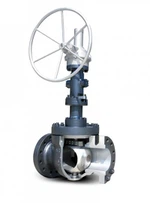
Ball Valve
Our Certificate
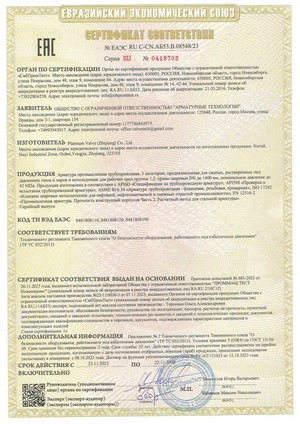
ISO9001,API6D, CE,TR CU 032 and TR CU 01.
Our services
Order tracking: We will establish a sound order tracking system, timely update the status of customer orders, to ensure that customers can understand in time Order progress.After-sales protection: Provide perfect after-sales protection.
Solution Customization
According to The Specific Needs of Customers, We Will Provide Personalized Solution Customization Services to Meet The Specific Needs of Customers.
Professional team
We Will Provide a Professional Technical Support Team to Solve Technical Problems Encountered In The Process of Product Selection and Use
What is Ball Valve
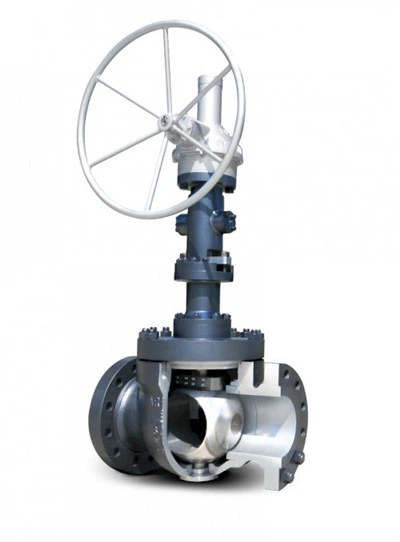
A ball valve is a shut off valve that controls the flow of a liquid or gas by means of a rotary ball having a bore. By rotating the ball a quarter turn (90 degrees) around its axis, the medium can flow through or is blocked. They are characterized by a long service life and provide a reliable sealing over the life span, even when the valve is not in use for a long time. Ball valves are more resistant against contaminated media than most other types of valves.In special versions, ball valves are also used as a control valve. This application is less common due to the relatively limited accuracy of controlling the flow rate in comparison with other types of control valves. However, the valve also offers some advantages here. For example, it still ensures a reliable sealing, even in the case of dirty media. Figure 1 shows a sectional view of a ball valve.




Benefits of Ball Valve
Durability
One of the most remarkable pros of ball valves is their durability. They are well-known for their capacity to serve without a glitch under regular maintenance. Plastic ball valves surpass their metal counterparts when it comes to durability, because there are no issues like rust and corrosion are non-existential.
Easy maintenance
Ball valves do not demand much in terms of maintenance. Under conducive conditions, a single valve can function for years. Repairs do not cost much, and replacements are easily available, thanks to the non-stop demand for ball valves.
Easy operating mechanism
The ball valve's design allows for easy installation and repair work. The clever design makes the functioning easy without having to worry about side loads, which is often a problem with butterfly valves.
Affordability and availability
Industrial devices need to be available at immediate notice. Ball valves are no different. Their non-availability can lead to unnecessary downtime and unexpected costs of industrial processes. Fortunately, thanks to the popularity and increasing demand for ball valves, there are many ball valve manufacturers all over the globe who design, manufacture and supply valves of all sizes and dimensions.
Efficiency
Ball valves are the first choice for applications that require a controlled flow. They are leakproof and open and close at lightning speed, making them a top choice for emergency operations.
Safety
High-quality ball valves are extremely dependable for functioning with high pressure and high-temperature flows. They provide safe service under extreme industrial conditions.
Types of Ball Valve
Standard ball valves consist of the housing, seats, ball and lever for ball rotation. They include valves with two, three and four ports which can be female or male threaded or a combination of those. Threaded valves are most common and come in many varieties: with approvals for specific media or applications, mini ball valves, angled ball valves, ISO-top ball valves, with an integrated strainer or a bleed point and the list goes on. They have a wide range of options and a large operating range for pressure and temperature.
Hydraulic ball valves are specially designed for hydraulic and heating systems due to their high operating pressure rating and hydraulic and heating oil resistance. These valves are made of either steel or stainless steel. Besides these materials, the seats also make hydraulic valves suitable for high operating pressure. The seats of these valves are made of polyoxymethylene (POM), which is suitable for high pressure and low temperature applications. The maximum operating pressure of hydraulic ball valves goes above 500 bar while the maximum temperature goes up to 80°C.
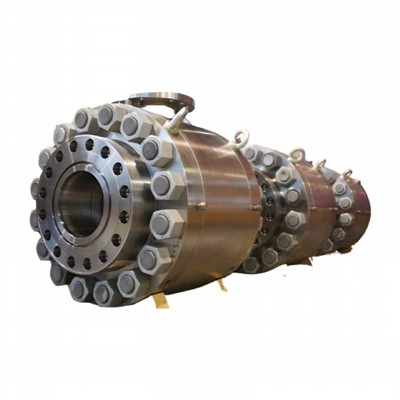
Flanged ball valves are characterized by their connection type. The ports are connected to a piping system via flanges that are usually designed in accordance with a certain standard. These valves provide a high flow rate since they typically have a full-bore design. When choosing a flanged ball valve, besides the pressure rating, you also have to check the flange compression class which indicates the highest pressure this connection type can withstand. These ball valves are designed with two, three or four ports, they can be approved for specific media, have an ISO-top and everything else a standard quarter turn valve could have. They are typically made out of stainless steel, steel, or cast iron.
Vented ball valves look almost the same as the standard 2-way ball valves when it comes to their design. The main difference is that the outlet port vents to the environment in closed position. This is achieved by a small hole that is drilled in the ball and in the valve body. When the valve closes, the holes line up with the outlet port and release the pressure. This is especially useful in compressed air systems where depressurization provides a safer working environment. Intuitively these valves look like 2-way ball valves while in fact they are 3/2-way due to the small borehole for venting.
Forged ball valves are created by shaping the alloys and metals while they are still in their solid form. The metals and alloys are bent by heating or with industrial-sized tools that deliver compressive forces to bend the materials. Forged ball valves are better suited for industrial applications that require high temperatures, pressures, and other severe conditions. Materials like brass and stainless steel can be used to construct forged ball valves. During the manufacturing process, the metal (or alloy) is heated, compressed, bent, and shaped according to the ball valve design using a die forging machine.
Application of Ball Valve
Refrigeration And Air Conditioning
Ball valves can be utilized in commercial HVAC, refrigeration, and individual air conditioner units as shut-off valves. The design, seal material, and welding should all contribute to a safe structure that meets the most stringent criteria, such as a high operating pressure when using refrigerants like R410A. Refrigeration ball valves control the flow of refrigerant to enable repairs or to replenish the refrigerant. To mention a few, these valves must be interoperable with popular refrigerants such as HFC, R404A, R22 (freon), HFO, R410A, and R290. The valve body can be made of brass.
Plumbing Systems
In-home plumbing systems, and ball valves are commonly utilized to facilitate main water and offshoot shutoffs during leaks. They are also found in common domestic items such as water faucets, heaters, showers, and washing machines.A dishwasher, for instance, is equipment that rinses and cleans soiled dishes. As the dishwasher's water intake valve, a ball valve might be used. The dishwasher is connected to the main water supply line through a water intake valve.


Gardening Irrigation Equipment
Ball valves can be utilized in a garden to suit a variety of irrigation requirements. These valves are suitable for use with garden hoses, watering equipment, sprinkler lines, and faucets.While connecting the ball valve to the main supply line, turn off the main water supply. Connect one of the ball valve's ports to the main water supply. Connect the hose fitting to the ball valve's opposite port. The water flow via the hose can be started or stopped by turning the lever to open or close the valve.
Drinking Water Systems
Ball valves are one of the most frequent types of valves used in residential and commercial drinking water applications.When choosing a ball valve for drinking water, there are various factors to consider. The valve must be corrosion-resistant, resistant to chemical and electrical reactions, anti-legionella, and so on. Additionally, consumer end components must be maintenance-free, totally switched off when closed, small, and simple to operate.
Valve Housing
The valve housing, also known as the body, contains all the internal components of the ball valve. It is typically constructed from hard and rigid materials, such as metal, thermoplastics, or thermoplastic-lined metal, and it protects the inner components of the ball valve. The valve housing also features an opening that allows access to the external control mechanism for rotating the ball.
Stem
The stem, also referred to as the shaft, connects the ball to the external control mechanism that rotates the ball. It features seals, such as O-rings and packing rings, to prevent fluid leakage. The shaft can be manually operated using a lever or handwheel, or it can be automated using electric, pneumatic, or hydraulic actuation.
Bonnet
The bonnet is an extension of the valve housing that encloses and protects the shaft and its associated packing. It may be welded or bolted to the body, and it is typically constructed from hard metal. The bonnet also covers the opening used to connect the shaft to the external control mechanism.
Packing
The packing is situated between the bonnet and the valve stem. Its primary function is to prevent leaks and maintain a tight seal within the valve assembly. Various materials, such as fibrous substances like flax or Teflon™ (PTFE), are used for packing to effectively seal the space between ball valve components and the external environment. Proper placement and adjustment of packing are essential to ensure it neither creates a too-loose nor too-tight seal, as this balance is critical in preventing leaks that could potentially damage the ball valve system and its surroundings.
Seats
The valve seats are essential for creating a seal between the ball and the valve body. There are typically two seats in a ball valve: the upstream seat, located adjacent to the inlet side of the valve, and the downstream seat, positioned on the opposite side, adjacent to the discharge side of the valve. These seats ensure a tight seal when the ball is closed.
Power Source
The stem of the ball valve can be rotated using either actuated or manual power sources. Manual actuation involves the use of levers and handles that are manipulated directly by an operator. In some cases, ball valves are equipped with an external power source for automation. This power source can be electric, pneumatic, or hydraulic, and it is used to remotely control the rotation of the ball in the valve.
Rotary Ball
The rotary ball is the central component of the ball valve, which controls the flow of fluids. It can be rotated to align or misalign the bore with the flow path, thus regulating the fluid flow.
How to Choose Ball Valve
Generally in plastics; UPVC ball valves are to be used with UPVC pipelines, polypropylene valves are to be used with polypropylene pipelines, and so on. Plastic piping materials have very different working temperature ranges and very different chemical resistance profiles. The decision of which material to use for your pipeline should be one of the primary considerations, so you should already know the material of your pipeline before considering ball valves. The matter of valve body material will have already been decided by your choice of pipeline material as you would want to make sure that chemical resistances and working temperatures of both pipe and valve are the same, or at least similar. See our other articles on material properties if you need to know more.
The seals in a ball valve are made from a 'rubber like' materials that can be compressed between rigid separable components, to keep the piped media from leaking out from between the components. There are two main materials used for ball valve seals. The 'standard' seal material in many plastic ball valves is EPDM (Ethylene Propylene Diene Monomer) which is perfectly suitable for water and many other commonly piped media. The second material is FPM (FKM), which has completely different resistance profile to EPDM. FPM is usually found more in industrial applications as aggressive medias can attack the seal material and cause seals to fail; If piping any media other than water, you may want to double check compatibility.
There are two separate pressure piping systems in the UK. Imperial & Metric, they are not interchangeable. It is not a simple case of converting millimetres to inches as one may think. This is a whole subject in itself and will need more explanation, but for the purpose of this article we'll keep it brief. If using metric pipe, only ball valves that are designated as metric will connect directly to metric pipe and the same goes with imperial counterparts. Convertors and adaptors are available to allow the imperial components to connect to metric components, but this may confuse matters when repairs are required in the future.
You should choose a valve of the same size designation as the pipe your are connecting to it, this may sound like it doesn't need to be said; however, there is scope here for confusion, so we would like to try and clarify a few misconceptions and mistakes that even seasoned engineers have made.
Process of Ball Valve
Design
In the manufacturing process, designing is the first stage. A blueprint of the valve is created by engineers using Computer-Aided Design (CAD) software. This design shows dimensions of the valve and specifies tolerance levels to ensure all parts fit seamlessly with one another. The CAD program allows for accurate adjustments and simulations to optimize performance before production begins.
Material Preparation
The subsequent step after completion of design is preparing raw materials. Raw material preparation often entails cutting metallic rods into specific sizes, which metal type such as stainless steel or brass can be used depending on requirement or standard, according to each part’s size needed.
Forging or Casting
These prepared materials are then turned into valve bodies through forging or casting methods. In case of forging, the metal is heated to high temperatures where it takes shape using a hammer or press respectively while casting process entails pouring molten metals into pre-shaped molds defining shape of valve body respectively; both moldings have intention to introduce a strong and durable component acting as backbone for any valve.
Trimming and Blasting
After forging or casting activities, there may be some excesses on occasions or flaws in these valves’ bodies; thus trimmings eliminates them whereas sand blasting smoothens surfaces by adoption fine abrasive materials impacting against them only. It ensures that they have clean finishing such that they can work properly without facing any issue regarding what they look like.
Machining
Precise machining is vital for holding exact tolerances specified during designing stage which usually requires drilling, lathing and milling processes done in CNC machines, all manufactured parts being so perfect up to details since CNC machines communicate exact dimensions according to specifications thereby ensuring proper fitting when this system is ready for complete assembling.
Heat Treatment and Plating
Heat treatment is then carried out on the valve components to enhance their material properties, by subjecting them to specific temperature changes and cooling cycles, thus modifying microstructure thereby improving strength and durability of material. After heat treatment, a coating such as nickel plating is applied over it because corrosion resistance must be added if valve has to survive harsh environmental conditions.
How to Maintain Ball Valve
Regular cleanings
It is important to keep ball valves clean to extend their lifespan. It is recommended to clean them at least once a year, or more frequently if the environment is particularly filled with dust or dirt. Use a soft towel to wipe off oil, dust, or dirt from the casing. Use a wire brush to clear any buildup on the valve stem or other components. Use cleaning agents compatible with the valve materials, such as alcohol- or water-based cleaners for non-metal parts and compressed air or gas-based cleaners for metal components.
Valve lubrication
Ball valve lubrication is essential to prevent abrasion and ensure smooth operation of the valve parts. Select a lubricant that is suitable for the valve materials and system media, such as water-insoluble, synthetic, or oil-based lubricants. However, it is crucial to avoid solid- or clay-based lubricants as they can accumulate inside the valve cavity.
Scheduled plant shutdowns
Routine shutdowns are ideal for ball valve inspections. The process involves removing the valves from the piping system, disassembling them, cleaning the interiors, and replacing any worn or broken components. Pay careful attention to the seals or other rubber parts.
Regular testing
Regular testing, like pressure testing (filling the valve body with a testing fluid and applying pressure for a specified length of time to check if it leaks) is essential to ensure that the ball valve is functioning correctly.
Storage
Store the ball valve in a dry, well-ventilated area away from direct sunlight and extreme temperatures. Ideally, the temperature of the storage area should be between 0°C (32°F) and 49°C (120°F). If possible, store the valve in its original packaging or in a protective container to prevent any damage during transport or storage.
Our Factory
Workshop is in Oubei-Zhejiang, our company covers a land area of 6000㎡ and introduces world's advanced valve machining and manufacturing equipment. Our company has a perfect enterprise standardization management system and adopts world's advanced precision casting technology and modern electronic inspection systems. The internationally advanced management mode is applied during the whole production process from material selection till delivery of finished products, so that specialized, automatic, standardized and programmed production is realized. Taking technological innovation as the guide for enterprise development, our company has established the CAD valve design center, three-dimensional analog manufacturing and design system, valve inspection center and testing platform to optimize product structures and ensure the quality and speed of research, development and production of new products.


Certificate