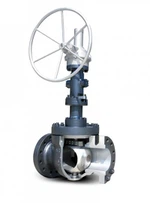
Trunnion Ball Valve
Our Certificate
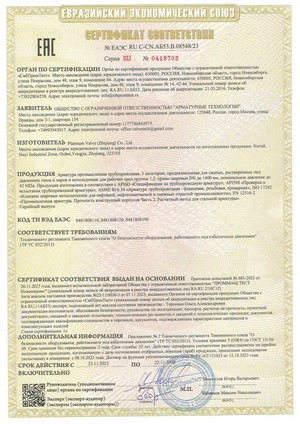
ISO9001,API6D, CE,TR CU 032 and TR CU 01.
Our services
Order tracking: We will establish a sound order tracking system, timely update the status of customer orders, to ensure that customers can understand in time Order progress.After-sales protection: Provide perfect after-sales protection.
Solution Customization
According to The Specific Needs of Customers, We Will Provide Personalized Solution Customization Services to Meet The Specific Needs of Customers.
Professional team
We Will Provide a Professional Technical Support Team to Solve Technical Problems Encountered In The Process of Product Selection and Use
What is Trunnion Ball Valve
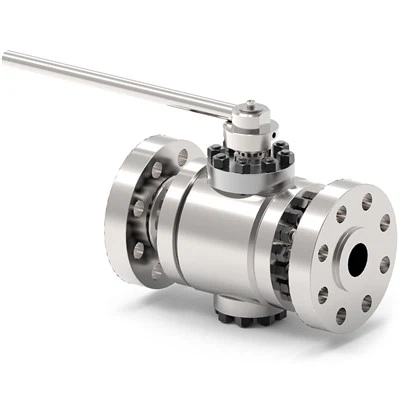
A crucial tool for controlling the flow of liquids, gas, steam, or oil in a pipeline is the Trunnion ball valve. The device has a quarter-turn design with a ball that can bend 90 degrees to obstruct or permit liquid flow. To control the begin-halt flow cycle, these valves have a spherical disc design in the middle that revolves.The disc, which is frequently referred to as a ball, is made with a thin, mechanically supported shaft projecting from the top and bottom. The location of a hole in the middle of the ball regulates flow. Trunnion mounted ball valves are helpful in applications where shut-off function is necessary because of their adaptability.



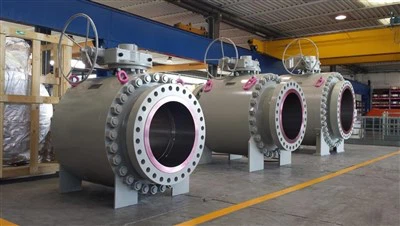


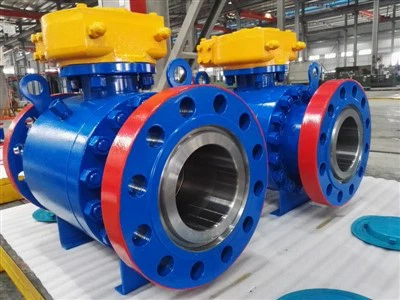


Benefits of Trunnion Ball Valve
Enhanced Pressure Resistance
One of the significant advantages of trunnion mounted ball valves is their exceptional pressure resistance. The trunnion design distributes the force evenly across the ball, enabling the valve to handle high-pressure differentials without compromising performance or safety. This feature makes trunnion mounted ball valves reliable choices for applications with extreme pressure conditions.
Reliable Sealing Mechanism
Trunnion mounted ball valves utilize a reliable sealing mechanism that ensures tight shut-off and prevents leakage. The sealing mechanism consists of soft or metal seats that are pressed against the ball, creating a reliable seal even under high-pressure conditions. This feature enhances the valve's integrity and minimizes the risk of fluid leakage, promoting safe and efficient operations.
Low Torque Operation
Trunnion mounted ball valves are designed for low torque operation, even in high-pressure applications. The trunnion support reduces the operating torque required to open or close the valve, enabling smooth and effortless operation. This low torque requirement reduces the strain on the valve actuator, prolongs its lifespan, and facilitates precise control over fluid flow.
Excellent Flow Control
Trunnion mounted ball valves offer excellent flow control capabilities, allowing for precise regulation of fluid flow rates. The full-bore design of these valves minimizes flow restrictions, resulting in low-pressure drop across the valve. This feature is crucial in high-pressure applications where maintaining optimum flow rates is essential for system efficiency.
Versatile Applications
Trunnion mounted ball valves find applications in a wide range of industries and processes. From oil and gas pipelines to petrochemical plants, power generation facilities, and water treatment systems, these valves can handle diverse fluids and provide reliable shut-off and control. Their versatility makes them suitable for various high-pressure applications.
Easy Maintenance and Repair
Trunnion mounted ball valves are designed for easy maintenance and repair. The valve's construction allows for straightforward disassembly, enabling quick access to internal components for inspection, cleaning, and repairs. This feature reduces downtime during maintenance activities, ensuring minimal disruption to operations and optimizing overall system efficiency.
Types of Trunnion Ball Valve
Top Entry Trunnion Mounted Ball Valve
This type of ball valve has a removable bonnet cover on the top of the valve. The internal parts of the valve can be easily accessed by removing the bonnet. These valves are easy to assemble and disassemble. You can repair or maintain different parts of the trunnion valve without removing it from the pipeline.
Side Entry Trunnion Mounted Ball Valve
Side entry ball valves are also known as split body trunnion mounted ball valves. In these valves, the body is divided into two or three pieces that are bolted together like flanges. One piece of the body is always larger than the rest. The larger piece holds the ball as well as the stuffing that goes around the ball. These valves are easier to inspect and repair as the smaller piece can be removed to access the valve.


Full Port Trunnion Mounted Ball Valves
In full bore valves, the size of the diameter of the bore matches that of the connected pipeline. When the valve is open, the medium can flow freely without restriction through the bore. This type of ball valve is used in chemical, petrochemical, and refining industries. They are also used in applications where pigging is required.
Half Port Trunnion Mounted Ball Valve
A half port trunnion valve has a bore size that is a few nominal sizes less than the diameter of the connected pipeline. The flow path of the medium is restricted which results in higher energy losses. Half port valves are mostly used in the oil and gas industry.
Application of Trunnion Ball Valve
Oil and gas sectors
Trunnion ball valves are ideal for a variety of applications in the oil and gas sectors. Gas feed lines, industrial gas processing plants, field gas plants, oil refinery feedstock lines, and crude oil plants are a few models of oil and gas businesses that utilize Trunnion-mounted ball valves.
01
Chemical industries
Trunnion ball valves are ideal for a range of chemical sectors because they provide exceptional safety, reliability, and sealing capacities.
02
Pipeline industries
Trunnion ball valves are extremely useful in the pipeline business since they can deal with a variety of applications, including handling gases, slurries, and fluids.
03
Power Industries
Trunnion ball valves can be utilized in a wide range of power industry applications, including those involving turbines, generators, skids, and compressors.
04
Hydrocarbon industries
Trunnion-mounted ball valves are quite common in the hydrocarbon sectors because they help make the processing of hydrocarbons easier.
05
Components of Trunnion Ball Valve
Body
The ball valve's body is the casing that supports the inside of the valve and keeps it in place. Based on the function it will receive, the substance for this design may be constructed of various products. Carbon steel, stainless steel, duplex, low-temperature carbon steel, Inconel, and super duplex are a few of the materials that are frequently utilized.
Ball
It rotates through a disc with a sphere-like form to halt or start flow in a steady rotation. On one end, it is attached to the Trunnion, and on the other, to the stem. While it takes turns, the ball is secured in place. The seats of the Trunnion ball valve frequently get into touch with this ball, lowering the torque.
Seat
The Trunnion ball valve's seat is a design element that encircles the ball. The seats hold the ball firmly in place when the actuator is switched on, preventing access. There are two varieties: soft and metal, which causes it to move in the ball's general direction.
Trunnion
The trunnion ball valve has an additional shaft that holds the ball in place from below, which is called Trunnion. Its purpose is to maintain the ball's tight attachment. In some Trunnion mounted ball valves, the Trunnion is an attachment of the spherical ball, and the rest of the time, it is connected to the spherical ball disc through welded joints.
Stem
The ball and the actuator are connected by the trunnion ball valve's stem. It is attached to the ball by an extra shaft, which aids in keeping the ball firmly in position. Additionally, it controls how the ball moves. Trunnion-mounted ball valves retain stronger anti-blowout stems, which allows them to withstand high pressures and temperatures without suffering any harm.
Disk
A perforated, solid ball is the shape of the disc in a Trunnion ball valve. The ball is attached to the stem on one side, and on the other, to the Trunnion. The ball or disc in a Trunnion ball valve is stabilized while it revolves. Because the seats are always in touch with the ball, torque is decreased.
Actuator
A trunnion ball valve's actuator is utilized to open or shut down the valve. Based on the application and medium, like air-operated ball valves, numerous types of actuators are utilized in ball valves. On a valve, typical actuators include bare stems, hand levers, pneumatic actuators, gears, and hydraulic actuators. Additionally, you can utilize a motor-operated actuator, a hydraulic-operated actuator, an electric actuator, a gas actuator, gas-over-oil actuator, and more.
Injection
In the seat and stem region, injection fittings are created. Grease can be inserted using a sealant injection fitting when sealing is weakened, and leakage starts. A partial seal is created by the injected sealant to halt additional leaking. The sealant injection fittings are only to be utilized in emergencies.
How to Choose Trunnion Ball Valve
The first step in selecting a trunnion mounted ball valve retailer is to do your research. Look for retailers with a solid reputation in the industry and a track record of providing high-quality products and excellent customer service. Check out online reviews and testimonials from past customers to get an idea of the retailer's reputation. Additionally, make sure the retailer offers a wide range of trunnion mounted ball valves from reputable manufacturers to ensure you have plenty of options to choose from.
When choosing a trunnion mounted ball valve retailer, consider their experience and expertise in the industry. Look for retailers that have been in business for a significant amount of time and have a team of knowledgeable professionals who can help you select the right valve for your specific needs. Experienced retailers will be able to provide valuable insights and recommendations to ensure you get the best valve for your application.
It's crucial to choose a trunnion mounted ball valve retailer that adheres to industry certifications and quality standards. Look for retailers that carry valves that meet or exceed industry standards for performance and reliability. Additionally, check if the retailer has any certifications, such as ISO certification, which can indicate their commitment to quality and customer satisfaction. Choosing a retailer that offers high-quality valves will ensure that your equipment operates efficiently and safely.
When selecting a trunnion mounted ball valve retailer, consider their pricing and level of customer service. Compare prices from different retailers to ensure you're getting a competitive rate for the valves you need. Additionally, evaluate the retailer's customer service by contacting them directly with any questions or concerns. A responsive and knowledgeable customer service team can make a big difference in your overall purchasing experience and ensure you get the support you need throughout the buying process.
A Trunnion Ball Valve, as its name perfectly advises, in any valve that utilizes a ball to manage the flow of substances from one opening to the next. The middle of the ball contains a port, sometimes known as a bore. The ball valve is the open place when this central port is aligned up in the same direction as the linked pipeline as such a positioning permits the gas or fluid to flow through. The ball valve turns to the closed place when the port becomes perpendicular, stopping the flow path and stopping any substances to continue moving through.
While most standard ball valves are designed with unique stop measures that allow only a ninety degree rotation, there are few that provide a complete 360 degrees. The 90 degree rotation is exactly all that is needed for the closing and opening of the ball valves, but there are some applications where it is more desirable to have the complete movement of the core. This makes them particularly perfect for industries carrying potent gasses or chemical that wants safe and speeding shutoff, such as with natural gas.

How to Maintain Trunnion Ball Valve
One of the most important aspects of maintaining trunnion ball valves is conducting regular inspections. Inspecting the valves at regular intervals can help identify any potential issues or signs of wear and tear. Look for leaks, cracks, corrosion, or any other signs of damage that may affect the performance of the valve. If any issues are found during the inspection, it is important to address them promptly to prevent further damage.
Proper lubrication is essential for the smooth operation of trunnion ball valves. Lubricating the valve components, such as the ball and seats, can help reduce friction and wear, extending the life of the valve. Make sure to use the recommended lubricants and follow the manufacturer's guidelines for lubrication frequency and method.
Keeping trunnion ball valves clean is crucial for maintaining their performance. Regularly cleaning the valve components, such as the ball, seats, and stem, can help prevent buildup of dirt, debris, and other contaminants that can affect the valve's operation. Use appropriate cleaning agents and techniques to ensure thorough cleaning without damaging the valve components.
Periodically testing the trunnion ball valves for pressure can help ensure their safety and reliability. Pressure testing can help detect any leaks or weaknesses in the valve's seals and connections, allowing for timely repairs or replacements. Follow the recommended pressure testing procedures and standards to ensure accurate and reliable results.
Proper valve operation is essential for maintaining trunnion ball valves. Ensure that the valves are operated correctly, following the recommended opening and closing procedures. Avoid excessive force or rough handling, as this can lead to damage or wear on the valve components. Proper valve operation can help prevent premature wear and ensure long-term performance.
Monitoring the performance of trunnion ball valves can help identify any issues or potential problems early on. Keep track of valve operation, including opening and closing times, pressure levels, and any unusual noises or vibrations. Regularly monitor valve performance to detect any changes or abnormalities that may indicate a need for maintenance or repairs.
Our Factory
Workshop is in Oubei-Zhejiang, our company covers a land area of 6000㎡ and introduces world's advanced valve machining and manufacturing equipment. Our company has a perfect enterprise standardization management system and adopts world's advanced precision casting technology and modern electronic inspection systems. The internationally advanced management mode is applied during the whole production process from material selection till delivery of finished products, so that specialized, automatic, standardized and programmed production is realized. Taking technological innovation as the guide for enterprise development, our company has established the CAD valve design center, three-dimensional analog manufacturing and design system, valve inspection center and testing platform to optimize product structures and ensure the quality and speed of research, development and production of new products.


Certificate