


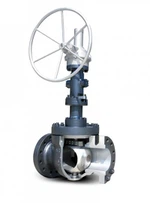
Electric Motorized Ball Valve
Electric Motorized Ball Valves
Electric motorized ball valves combine a quarter-turn ball valve with an electric actuator for remote operation in industrial piping systems. Depending on the configuration, they support on/off isolation or modulating flow control in water treatment, HVAC, process piping, and OEM equipment.


Key Features & Benefits
Remote Operation
Supports automated valve opening and closing through compatible PLCs, control panels, and building management systems.
On/Off or Modulating Control
On/off models provide pipeline isolation, while compatible modulating configurations support flow adjustment using specified control signals.
Flexible Material Selection
Body, ball, stem, and seat materials can be selected according to fluid compatibility, pressure, and temperature requirements.
Optional Actuator Functions
Limit switches, position feedback, manual override, and fail-safe accessories are available depending on the actuator model.
Technical Specifications
|
Specification |
Available Options |
|
Valve Configuration |
2-Way, 3-Way; V-Port where available |
|
Nominal Size |
Confirm by model |
|
Pressure Rating |
PN or ASME Class, according to valve design |
|
Body Materials |
Stainless Steel, Carbon Steel, Brass, depending on model |
|
Seat Materials |
PTFE, RPTFE, PEEK, or Metal Seat, where available |
|
End Connections |
Threaded, Flanged, or Sanitary, depending on model |
|
Power Supply |
AC or DC options, subject to actuator configuration |
|
Control Mode |
On/Off or Modulating |
|
Control Signal |
4–20 mA or 0–10 V for compatible modulating models |
|
Position Feedback |
Limit Switches or Position Transmitter, where available |
|
Enclosure Protection |
Confirm IP rating by actuator model |
|
Fail-Safe Function |
Stay-Put or specified fail-safe action, subject to configuration |
|
Operating Temperature |
Confirm valve, seat, and actuator limits separately |
Applications
Water Treatment
Automated isolation in water distribution, filtration, and compatible chemical dosing systems.
HVAC Systems
On/off switching or modulating control in compatible heating and chilled-water circuits.
Industrial Process & OEM Equipment
Remote valve operation in process skids, machinery, and automated fluid-handling systems.
Valve Materials: Select body, ball, stem, and seat materials based on the medium's chemical properties, operating temperature, and pressure.
Actuator Sizing: Confirm valve operating torque, differential pressure, operating frequency, and actuator output torque.
Control Requirements: Specify supply voltage, On/Off or Modulating operation, input signal, and position feedback.
Power-Failure Response: Define whether the valve should remain in its last position or move to a specified safe position after power loss.

Manufacturing & Quality Control
Dimensional Inspection
Verify valve dimensions, end connections, and actuator mounting interfaces against applicable drawings.
Pressure & Leakage Testing
Conduct shell and seat testing according to the applicable valve design and test requirements.
Technical Documentation
Datasheets, dimensional drawings, wiring diagrams, pressure-test records, and material certificates can be provided according to model and order requirements.
Customization & RFQ Requirements
Valve Specifications
Size, valve configuration, pressure rating, end connection, and material requirements.
Operating Conditions
Fluid medium, operating temperature, working pressure, differential pressure, and required flow rate.
Electrical Configuration
Supply voltage, control mode, signal type, feedback requirements, and power-failure behavior.
Compliance & Documentation
Applicable standards, certification requirements, material reports, and inspection documents.
Frequently Asked Questions