


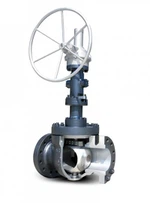
Forged Steel Ball Valve
Forged Steel Ball Valves
Forged steel ball valves use a quarter-turn ball mechanism to start or stop fluid flow in industrial piping systems. Selection depends on operating pressure, temperature, process media, sealing requirements, and applicable design standards.
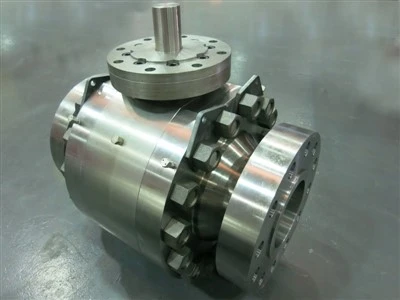
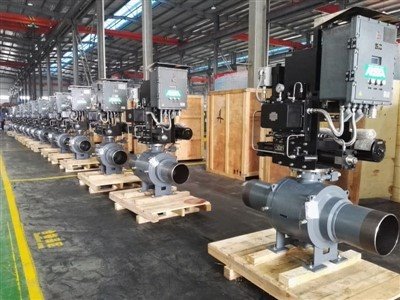

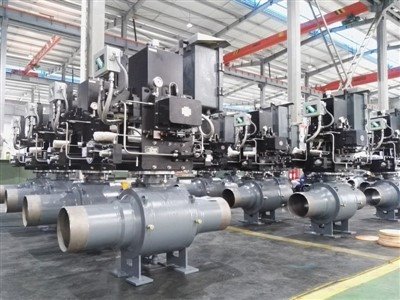

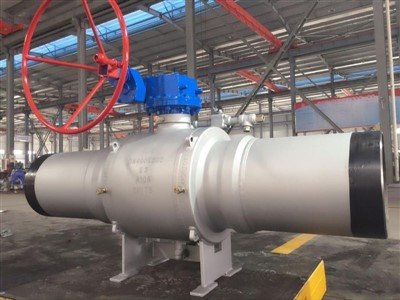
Product Overview
Forged Steel Body
Available in specified forged carbon steel, alloy steel, or stainless steel grades, subject to the valve design.
Quarter-Turn Operation
Supports manual operation or pneumatic/electric actuation, depending on configuration.
Flexible Sealing Options
Soft-seated or metal-seated designs can be selected according to media, temperature, and shutoff requirements.
Application-Specific Configuration
Bore type, body design, pressure class, and end connections can be specified during RFQ review.
Key Features & Design Options
Body Construction
One-piece, two-piece, or three-piece designs, subject to the available product range and pressure requirements.
Ball & Stem Assembly
Ball geometry, stem design, and sealing components are selected according to operating torque, pressure, and service conditions.
Full Bore or Reduced Bore
Full-bore designs provide a flow passage close to the connecting pipe diameter; reduced-bore designs use a smaller passage where permitted by the process requirements.
Optional Safety Features
Fire-tested construction, anti-static devices, anti-blowout stems, and lockable handles are available only on applicable models.
Technical Specifications
|
Parameter |
Available Options / Requirements |
|
Valve Type |
Forged steel ball valve |
|
Nominal Size |
Specify DN or NPS; confirm available range |
|
Pressure Rating |
ASME Class or PN rating; confirm by model and design standard |
|
Body Material |
ASTM A105/A105M, applicable ASTM A182 grades, or other specified materials |
|
Ball & Stem Materials |
Stainless steel or other specified grades, subject to design |
|
Seat Materials |
PTFE, PEEK, other polymers, or metal-to-metal, subject to service conditions |
|
Bore Type |
Full bore or reduced bore |
|
Body Design |
One-piece, two-piece, or three-piece, subject to availability |
|
End Connections |
NPT threaded, socket weld, butt weld, or flanged |
|
Operation |
Lever, gearbox, pneumatic actuator, or electric actuator |
|
Design Standards |
API 608 and/or ASME B16.34, where applicable |
|
Inspection & Testing |
API 598 or ISO 5208, as specified in the order |
Oil & Gas: Pipeline isolation and process equipment, subject to the specified pressure, temperature, and service requirements.
Petrochemical Processing: Fluid isolation where body, trim, and seat materials are compatible with the process media.
Industrial Piping & Skid Systems: Isolation duties in packaged equipment and plant piping.
Utility Services: Water, air, gas, or steam applications where the selected valve materials, seals, and ratings are suitable.

Manufacturing & Quality Control
Material Verification
Material certificates and heat-number traceability can be specified for applicable pressure-retaining components.
Pressure Testing
Shell and seat tests can be performed to the applicable API 598 or ISO 5208 requirements, as agreed for the order.
Dimensional & Visual Inspection
Inspection scope can include key dimensions, connection details, surface condition, and assembly checks.
Documentation & Special Inspection
Material certificates, pressure-test reports, non-destructive examination, and third-party inspection can be arranged according to project requirements.
Customization & RFQ Requirements
Valve Specifications
Provide size, pressure class, body design, bore type, and end connections.
Operating Conditions
Specify process media, design pressure, operating temperature, and required shutoff performance.
Materials & Compliance
Identify body, ball, stem, and seat materials, applicable standards, and any fire-test or special inspection requirements.
Delivery & Documentation
State quantity, destination, required delivery date, and documentation package.
Frequently Asked Questions