


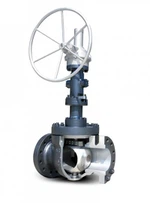
Three Piece Ball Valve
Three-Piece Ball Valves
Three-piece ball valves feature a removable center body secured between two end connectors. This construction provides access to internal components for inspection, cleaning, and seat or seal replacement, subject to the valve design and installation conditions. They are suitable for industrial pipeline isolation where maintenance access and configuration flexibility are important.
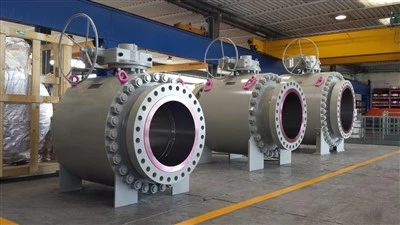


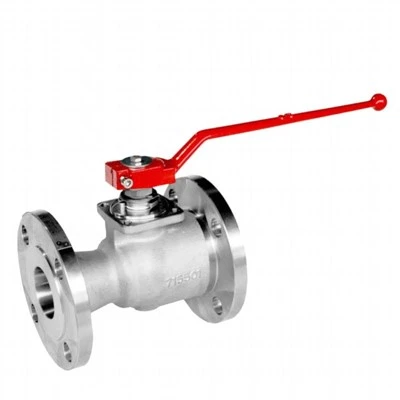
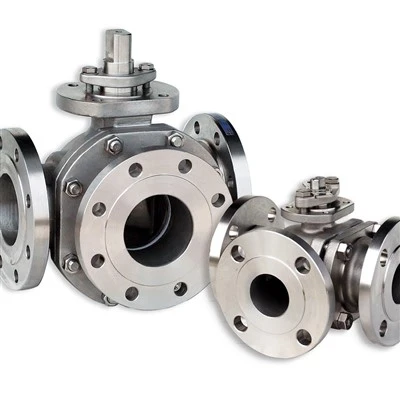
Design & Key Features
Three-Piece Body Construction
The center body can be separated from the end connectors for internal inspection and maintenance after the pipeline has been safely isolated and depressurized.
Full-Port or Reduced-Port Design
Full-port models provide a larger flow passage, while reduced-port models offer an alternative where the required flow capacity and pipeline design permit.
Safety Features
Blowout-proof stem and anti-static designs may be available, depending on the model. Fire-safe options should be confirmed against the applicable certification and product specifications.
Actuator Mounting Options
Manual operation is standard on applicable models. Pneumatic or electric actuation and ISO 5211 mounting interfaces can be specified where supported.
Technical Specifications
|
Parameter |
Available Options / Requirements |
|
Valve Design |
Three-piece body, typically floating ball |
|
Size Range |
Confirm available DN/NPS sizes by model |
|
Pressure Rating |
Specify the applicable Class, PN or WOG rating |
|
Body Materials |
Stainless steel, carbon steel or other specified alloys |
|
Seat Materials |
PTFE, reinforced PTFE, TFM, PEEK or metal seat, subject to model |
|
End Connections |
Threaded, socket weld, butt weld or flanged, subject to model |
|
Operation |
Manual, pneumatic or electric, where available |
|
Testing |
Shell and seat leakage tests to the applicable specification |
|
Documentation |
Material certificates and test reports, as agreed |
Materials & Configuration Selection
Body and Internal Components
Select body, ball and stem materials according to the process medium, corrosion conditions, pressure and temperature.
Seat and Seal Materials
PTFE, reinforced PTFE, TFM, PEEK and metal seats may be available. Confirm chemical compatibility, temperature limits and sealing requirements for the intended service.
End Connections
Choose threaded, socket-weld, butt-weld or flanged ends according to the piping specification, installation method and maintenance requirements.
Automation Accessories
Specify the actuator type, required operating torque, control signal, power supply and accessories such as limit switches or position feedback.
Chemical and Process Piping
Isolation of compatible liquids and gases, subject to material compatibility and operating limits.
Industrial Equipment and OEM Skids
Pipeline shut-off in packaged machinery and process equipment where access to internal valve components is useful for maintenance.
Water and Utility Systems
On/off flow control in compatible water, compressed-air and other utility lines. Suitability for steam or other demanding media requires model-specific verification.

Three-Piece vs. Two-Piece Ball Valves
|
Selection Factor |
Three-Piece Ball Valve |
Two-Piece Ball Valve |
|
Body Construction |
Removable center section between two end connectors |
Two main body sections |
|
Internal Maintenance |
Center section can be removed for servicing, depending on design |
Maintenance access depends on the body design and installation |
|
Installation |
Available with selected threaded, welded or flanged ends |
Available with selected connection types |
|
Selection Priority |
Useful when internal serviceability is important |
May suit applications with simpler installation or different cost requirements |
Manufacturing & Quality Control
Machining and Assembly
Body, ball, stem and sealing components must meet the applicable drawing and model specifications.
Pressure and Leakage Testing
Shell and seat tests should follow the applicable product standard and agreed inspection requirements. Test criteria and records should be confirmed before ordering.
Material Traceability
Material certificates and inspection documents can be specified according to project requirements and actual documentation availability.
Standards and Certifications
API 608, ISO 17292, ASME B16.34, API 598, ISO 5208 and other standards should be listed only where they apply to the selected model and are supported by documented compliance.
RFQ Requirements
To help identify a suitable valve configuration, include the following information in your inquiry:
Operating Conditions
Medium, operating pressure, temperature range and any relevant corrosion requirements.
Valve Specifications
Size, pressure rating, full or reduced port, body material, seat material and end connection.
Operation Requirements
Manual, pneumatic or electric actuation, including control and accessory requirements where applicable.
Inspection and Delivery
Applicable standards, required certificates, testing documentation, quantity and delivery destination.
Frequently Asked Questions